
2026-09-04 ·
How Tree Roots Affect Sewer Lines in MO Properties
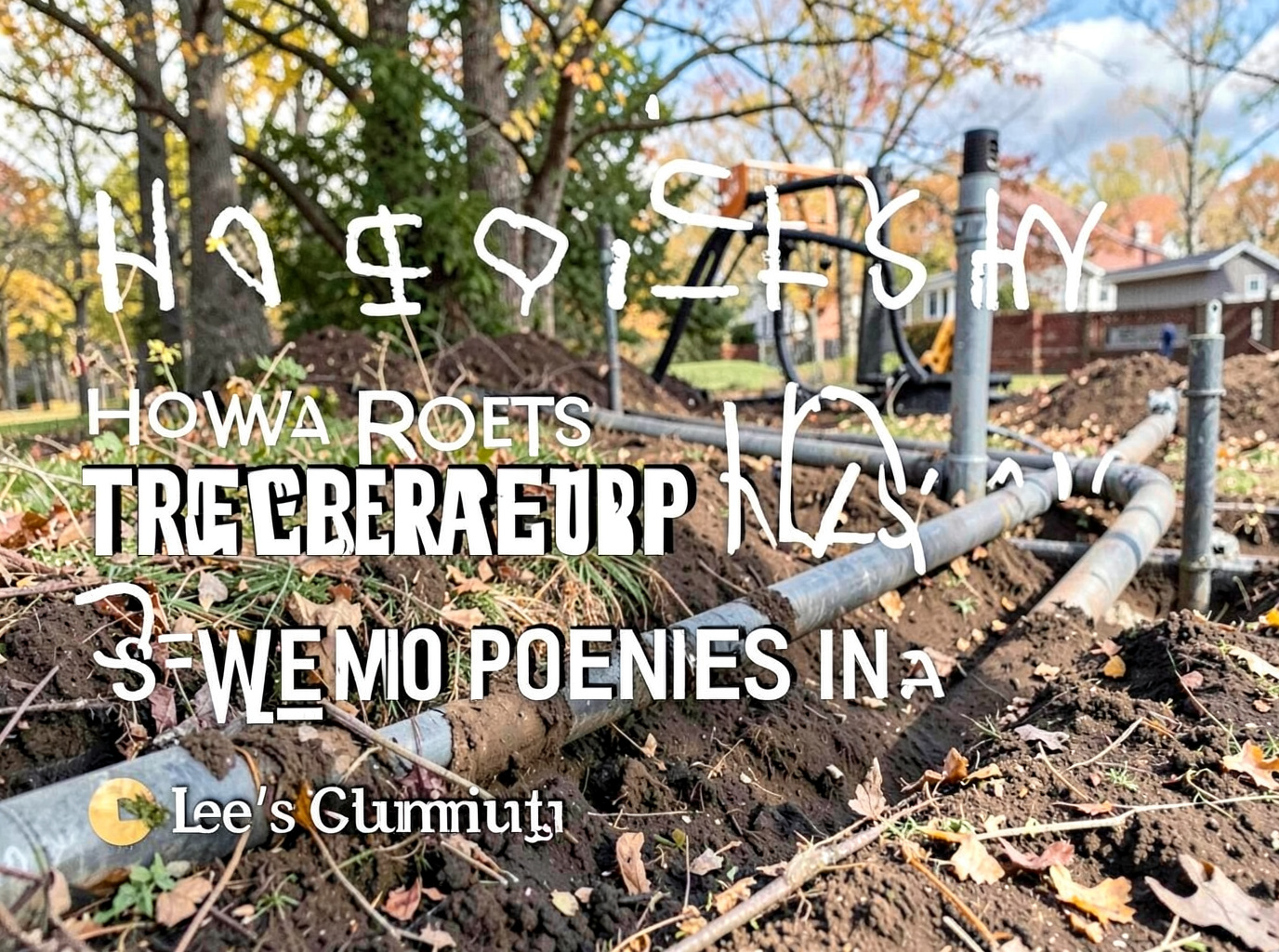
Tree roots affect sewer lines in MO properties by entering small joints or cracks and expanding inside the pipe, often causing complete blockages in 5–15 years for homes in Jackson County. In Lee's Summit neighborhoods such as Chapel Hill and Winterset, mature maples and oaks near Legacy Park send roots toward the moisture in clay or cast iron lines common in homes built before 1980. The humid subtropical climate with hot summers and cold winters accelerates this process because roots grow aggressively in warm months then push harder against frozen ground in winter.
Root Growth Patterns Near Lee's Summit Homes
In areas around Raintree Lake and Downtown Lee's Summit, trees planted 10–20 feet from the foundation send lateral roots that follow the path of least resistance into sewer laterals. Jackson County soil with its mix of clay and loam holds water well during humid summers, drawing roots toward the 4-inch or 6-inch sewer pipes that carry wastewater from homes. Properties near Grandview or Raymore face similar issues because the same tree species thrive in the region's hot summers and then exploit pipe joints loosened by freeze-thaw cycles in cold winters. Homeowners often notice slow drains in kitchens or bathrooms first when roots have already traveled 20–30 feet underground from the tree trunk.
Signs of Root Intrusion in Local Sewer Systems
Slow drainage that worsens after heavy rain is a common early indicator in Lee's Summit homes because roots block flow more noticeably when stormwater adds volume. Gurgling sounds from toilets or floor drains occur when roots create partial obstructions inside the main line running from the house to the street connection. In neighborhoods like Winterset, recurring backups every 8–12 months usually point to root masses that have grown to fill 50–70 percent of the pipe diameter. A Sewer Camera Inspection reveals the exact location and extent of root penetration without excavation, showing whether the intrusion is limited to one joint or has spread along multiple sections of older clay pipe.
Seasonal Factors That Worsen Root Damage
Hot summers in the Kansas City region encourage rapid root elongation while the ground remains moist from frequent thunderstorms, allowing roots to reach sewer lines faster than in drier climates. Cold winters then cause the soil to contract and expand, widening small gaps in pipe joints that roots have already entered. Properties near Missouri Town 1855 or Longview Lake often see increased calls after January thaws because roots that grew through summer become brittle and break off inside the line, creating sudden clogs. The combination of these weather patterns means a single mature tree can compromise a sewer lateral serving a home in Chapel Hill within 10–12 years if no preventive steps are taken.
Addressing Root Issues in Jackson County Properties
Once roots are confirmed inside the line, Tree Root Removal clears the immediate blockage using specialized cutting tools that restore flow without replacing the entire pipe. In many Lee's Summit homes the roots return within 2–4 years unless the tree is removed or the line is lined or replaced. Homeowners in Raymore and Grandview benefit from scheduling inspections before planting new trees within 25 feet of the sewer cleanout to avoid future problems. The address at 791 SW Market St Ste 136, Lee's Summit, MO 64063 serves as the base for crews responding to these calls Monday through Friday from 8am–6pm and Saturdays from 9am–2pm.